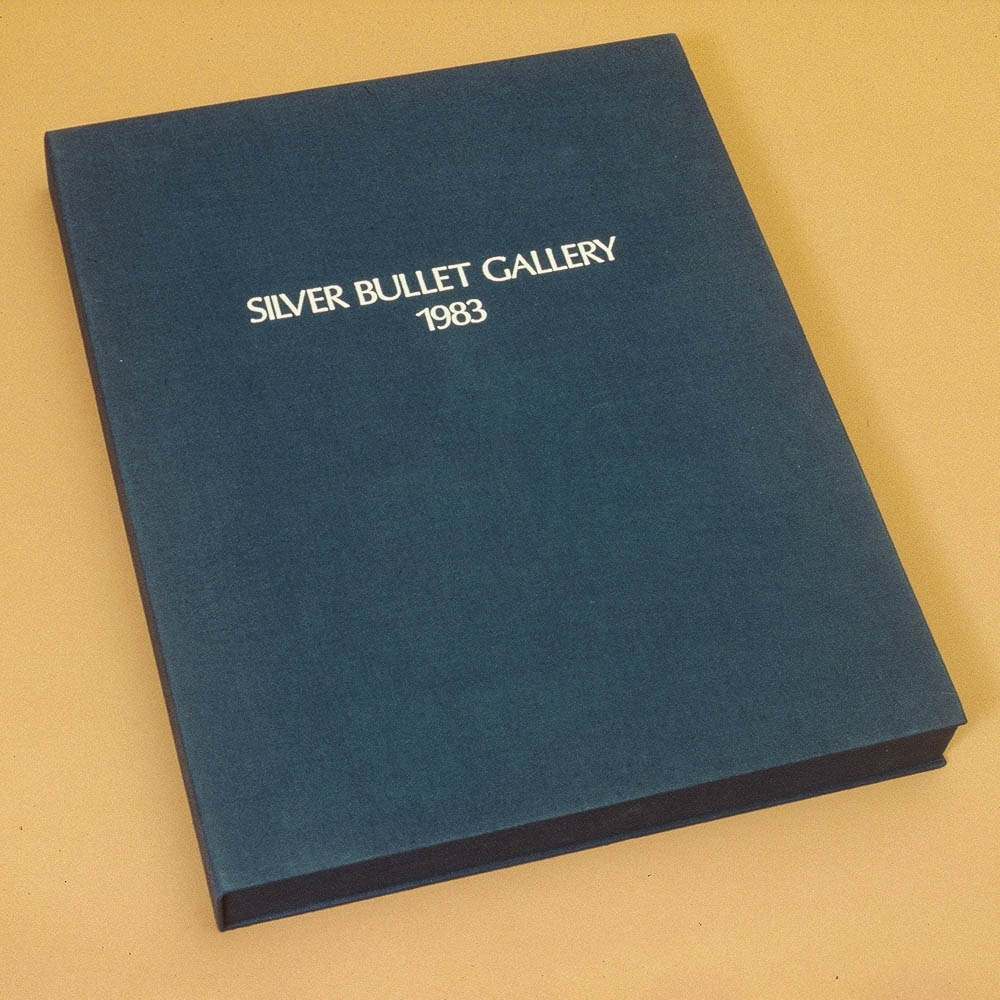
Silver Bullet Gallery
Portfolio
1983
Portfolio
1983
ON PECULIARITIES OF FALLS AND TIME The photographs in this portfolio, selected by Alan Metnick in concert with the interests of each photographer represented, have coalesced to remind me, peculiarly, of a Connecticut newpaper report tucked away in a file, a notice boldly headlined in The Stamford Advocate (November 24, 1979):
BRIDE IS BETTER AFTER 6-FLOOR FALL
New Haven (AP) - A bride who fell six floors with her husband on their wedding night was recovering yesterday at a hospital but her husband remained in serious condition... (The husband's) brother said the couple fell from their apartment balcony as he prepared to photograph them against a backdrop of city lights during a wedding party Nov. 10. The couple landed on rain-softened grass, barely missing a concrete patio and wall ...
Relative to photographic practice this news report veritably identifies the unanticipated. Certainly, we are all too familiar with photographically pictured miseries of persons and environments, but rarely do subjects for photographs suffer dire consequences or effects by cause of or as a result of the processes of camerawork. There is no evidence that a photograph was accomplished before the bride and groom experienced the interruptus of their fall. Not without sympathy for their unexpected agony, one can presume they fell before being pictured. Had the intended photograph of the couple been achieved, and were it to be seen, what would be revealed? Perhaps the style or drape of her gown, his suit; perhaps the exact nature of their smiles, the attention of their eyes; perhaps the specific gestures of a toast, of an embrace; perhaps other atomistic details of persons and place defined by the photographic commemoration. One would see the seeming retention of their presence, the signs oftheir elation or ecstacy, born of their own reflected light. One would view an especially valued moment in their lives, a moment the camera kept constant; a moment excised from time by a shutter, incised on the film plane and print by light, a moment become the credible trace of their once celebrative appearance. Instead, reality as flux and the conditions of earthly gravity intervened. They fell: away from the camera's instantaneous stabilization of their identity, away from the fixing of their moment; away from a photographed presence that might have come to be seen, even in its past-tense form, as the record of a permanent now. Denied the camera's accommodating and making permanent the lux et veritas of their own self-presentation and re-presentation, they fell, continuing into a painful, miraculously fortunate future. They fell, back from the balcony, into the space of city lights, remaining durative within a limited continuity, beings in a time that promises contingencies, a time that guarantees mortality.They fell away from the time of a photograph, continuing to share the conditioning temporality of humankind, the temporality of promises, in each successive moment, life itself to be at stake.
"...photography.. a Medusan gaze in which what was shifts into what has been, fixing a fluid then into an immobile, perpetual now."
- James Hugunin (Meditations on an Ukrainian Easter Egg," VIEWS, Boston:Photographic Resource Center, Vol. 4,No. 4, 1983, p. 13.)-
— That manic eye, stabbing nose, those cruel lips; that head thrust to the right, that body sagging toward dissolution; that arrested smoke and light; though now dead, Weegee before me! - Olive groves and stone walls, a registered landscape; the shock of imagining the awesome scale of those trees at distance! - The man and his son, poised, occupants of the perspectival vanishing point defined by flanking rails; contemplators of water more like a celestial plane; a float with its ladder posts repeating their pairing, hovering above them like a luminous rectilinear crown. Once-upon-a-time persons, places, and things seeming very there, very now.
"...All photographs are memento mori. To take a photograph is to participate in another person's (or thing's) mortality, vulnerability, mutability. Precisely by slicing out this moment and freezing it, all photographs testify to time's relentless melt.
- Susan Sontag (On Photography, New York: Farrar, Straus and Giroux, 1977. p.15.)
— She, masked, at first glance a balanced arc, ultimately reveals not a harmonic, gentle stance; the stressed contraposition of body, limbs, and feet is betrayed by that supplicative hand: the rigorous achievement of her pose now outside of time, permanent. - She, her head enshrouded, leans, shoulder against a wall; the arm above, the revealed musculature of her back and hips, a rigid leg and profiled vertical foot suggest a stabilizing posture for camerawork; afar, at upper right, ambulation stopped; between, a bronze, fabricated to configure a stilled instant of elan vital: the photograph itself and its internal definitions declaring the fix of time and motion. — She faces the wind, her arms outstretched, hands holding the hem of her skirt to net the air; she, leaning back, her profile like the contours of mountains and clouds, her dark pendant hair like strands of vegetation; she, desert flowers, mounds and mountains, clouds and flesh, wind and light, are now concretized in silver.
"...Seen as live evidence, the photograph cannot fall to designate, outside of itself, the death of the referent, the accomplished past, the suspension of time. And seen as deadening artifact, the photograph indicates that life outside continues, time flows by. and the capured object has slipped away.
- Thierry De Duve ("Time Exposure and Snapshot: The Photograph as Paradox."OCTOBER 5, Cambridge: MIT Press, 1978. p. 113.)
— A painted presence, a winged messenger from the Epicurean space of Pompeian painting, returned to view in the photographic relic; removed again from history, from formerly active enthusiasms for movement, gaiety, temporal visibility, the taste for leisure, luxury, and sensuality that once sponsored her pictorial form.
— A diptych reveals the different attentions of two photographers in response to the same subject: three young women at a beach, bathers in the water beyond them. In the photograph at left, one photographer has been removed from time by the other, made constant in his gathering of the subjects' light; in the photograph at right we witness the final evidence of his camera's arrest of the figures and scene. Despite the unintended before and after effect, both photographers deny our consciousness of evolutional origins or conclusions in which these two moments of time were once embedded: we see one photographer permanently crouched in the act of photo-graphing; the women, distant bathers, water and sand, stilled, denying continuity. - Only a moderate satisfaction of continuity is revealed in the photograph of a baseball event and in the photographic tableau featuring two figures stationed vulnerably before a fire glowing geologic cleft: the blur of rising, swaying gesticulating body energies, the turning of heads, the fluttering of hands; measures of time never seen directly by the eyes, measures given credibility by the photographic fact removed from time.
"...Photography maintains the presentness of the world by accepting our absence from it. The reality in a photograph is present to me while I am not present to it; and a world I know, and see, but to which I am nevertheless not present (through no fault of my subjectivity), is a world past... there is reason for me to want the camera to deny the coherence of the world, its coherence as past: to deny that the world is complete without me. But there is equal reason to want it affirmed that the world is coherent without me. That is essential to what I want of immortality: nature's survival of me."
- Stanley Cavell (The World Viewed, New York: The Viking Press, Inc., 1971, Pp. 23, 160)
— Depopulated places, things natural and manmade, occasions for formal display, revealing patterns of environmental disruption, the inevitability of decay, the falling away of coherence in time.
In Another Way of Telling (New York, Pantheon Books, 1982, Pp. 86-88), John Berger writes: A photograph arrests the flow of time in which the event photographed once existed. All photographs are of the past, yet in them an instant of the past is arrested so that, unlike a lived past, it can never lead to the present. The first photographswere thought of as marvels because, far more directly than any other form of visual image, they presented the appearance of what was absent. They preserved the look of things and they allowed the look of things to be carried away.. the look of the world is the widest possible confirmation of the thereness of the world, and thus the look of the world continually proposes and confirms our relation to that thereness, which nourishes our sense of Being.
To care for the look of the world, its thereness, through the witnessing of photographs, through a love for them, and a need for their testaments of every kind, is not only an escape from a future; it is a preparation for one's inevitable progression into the unknown and unexpected conditions of a life. Falling from the future, into the fixed past-tense presences of photographs, is often like falling from time, six floors down, not missing the concrete patio and wall, yet surviving to reengage conditions of my life. More often, my looking at photographs, such as those in this portfolio, is a fall from time, a joyous landing on rain-softened grass, a promise of survival after my time.
WILLIAM E. PARKER
Professor of Art and History of Photography
School of Fine Arts
Department of Art
The University of Connecticut, (Storrs)
BRIDE IS BETTER AFTER 6-FLOOR FALL
New Haven (AP) - A bride who fell six floors with her husband on their wedding night was recovering yesterday at a hospital but her husband remained in serious condition... (The husband's) brother said the couple fell from their apartment balcony as he prepared to photograph them against a backdrop of city lights during a wedding party Nov. 10. The couple landed on rain-softened grass, barely missing a concrete patio and wall ...
Relative to photographic practice this news report veritably identifies the unanticipated. Certainly, we are all too familiar with photographically pictured miseries of persons and environments, but rarely do subjects for photographs suffer dire consequences or effects by cause of or as a result of the processes of camerawork. There is no evidence that a photograph was accomplished before the bride and groom experienced the interruptus of their fall. Not without sympathy for their unexpected agony, one can presume they fell before being pictured. Had the intended photograph of the couple been achieved, and were it to be seen, what would be revealed? Perhaps the style or drape of her gown, his suit; perhaps the exact nature of their smiles, the attention of their eyes; perhaps the specific gestures of a toast, of an embrace; perhaps other atomistic details of persons and place defined by the photographic commemoration. One would see the seeming retention of their presence, the signs oftheir elation or ecstacy, born of their own reflected light. One would view an especially valued moment in their lives, a moment the camera kept constant; a moment excised from time by a shutter, incised on the film plane and print by light, a moment become the credible trace of their once celebrative appearance. Instead, reality as flux and the conditions of earthly gravity intervened. They fell: away from the camera's instantaneous stabilization of their identity, away from the fixing of their moment; away from a photographed presence that might have come to be seen, even in its past-tense form, as the record of a permanent now. Denied the camera's accommodating and making permanent the lux et veritas of their own self-presentation and re-presentation, they fell, continuing into a painful, miraculously fortunate future. They fell, back from the balcony, into the space of city lights, remaining durative within a limited continuity, beings in a time that promises contingencies, a time that guarantees mortality.They fell away from the time of a photograph, continuing to share the conditioning temporality of humankind, the temporality of promises, in each successive moment, life itself to be at stake.
"...photography.. a Medusan gaze in which what was shifts into what has been, fixing a fluid then into an immobile, perpetual now."
- James Hugunin (Meditations on an Ukrainian Easter Egg," VIEWS, Boston:Photographic Resource Center, Vol. 4,No. 4, 1983, p. 13.)-
— That manic eye, stabbing nose, those cruel lips; that head thrust to the right, that body sagging toward dissolution; that arrested smoke and light; though now dead, Weegee before me! - Olive groves and stone walls, a registered landscape; the shock of imagining the awesome scale of those trees at distance! - The man and his son, poised, occupants of the perspectival vanishing point defined by flanking rails; contemplators of water more like a celestial plane; a float with its ladder posts repeating their pairing, hovering above them like a luminous rectilinear crown. Once-upon-a-time persons, places, and things seeming very there, very now.
"...All photographs are memento mori. To take a photograph is to participate in another person's (or thing's) mortality, vulnerability, mutability. Precisely by slicing out this moment and freezing it, all photographs testify to time's relentless melt.
- Susan Sontag (On Photography, New York: Farrar, Straus and Giroux, 1977. p.15.)
— She, masked, at first glance a balanced arc, ultimately reveals not a harmonic, gentle stance; the stressed contraposition of body, limbs, and feet is betrayed by that supplicative hand: the rigorous achievement of her pose now outside of time, permanent. - She, her head enshrouded, leans, shoulder against a wall; the arm above, the revealed musculature of her back and hips, a rigid leg and profiled vertical foot suggest a stabilizing posture for camerawork; afar, at upper right, ambulation stopped; between, a bronze, fabricated to configure a stilled instant of elan vital: the photograph itself and its internal definitions declaring the fix of time and motion. — She faces the wind, her arms outstretched, hands holding the hem of her skirt to net the air; she, leaning back, her profile like the contours of mountains and clouds, her dark pendant hair like strands of vegetation; she, desert flowers, mounds and mountains, clouds and flesh, wind and light, are now concretized in silver.
"...Seen as live evidence, the photograph cannot fall to designate, outside of itself, the death of the referent, the accomplished past, the suspension of time. And seen as deadening artifact, the photograph indicates that life outside continues, time flows by. and the capured object has slipped away.
- Thierry De Duve ("Time Exposure and Snapshot: The Photograph as Paradox."OCTOBER 5, Cambridge: MIT Press, 1978. p. 113.)
— A painted presence, a winged messenger from the Epicurean space of Pompeian painting, returned to view in the photographic relic; removed again from history, from formerly active enthusiasms for movement, gaiety, temporal visibility, the taste for leisure, luxury, and sensuality that once sponsored her pictorial form.
— A diptych reveals the different attentions of two photographers in response to the same subject: three young women at a beach, bathers in the water beyond them. In the photograph at left, one photographer has been removed from time by the other, made constant in his gathering of the subjects' light; in the photograph at right we witness the final evidence of his camera's arrest of the figures and scene. Despite the unintended before and after effect, both photographers deny our consciousness of evolutional origins or conclusions in which these two moments of time were once embedded: we see one photographer permanently crouched in the act of photo-graphing; the women, distant bathers, water and sand, stilled, denying continuity. - Only a moderate satisfaction of continuity is revealed in the photograph of a baseball event and in the photographic tableau featuring two figures stationed vulnerably before a fire glowing geologic cleft: the blur of rising, swaying gesticulating body energies, the turning of heads, the fluttering of hands; measures of time never seen directly by the eyes, measures given credibility by the photographic fact removed from time.
"...Photography maintains the presentness of the world by accepting our absence from it. The reality in a photograph is present to me while I am not present to it; and a world I know, and see, but to which I am nevertheless not present (through no fault of my subjectivity), is a world past... there is reason for me to want the camera to deny the coherence of the world, its coherence as past: to deny that the world is complete without me. But there is equal reason to want it affirmed that the world is coherent without me. That is essential to what I want of immortality: nature's survival of me."
- Stanley Cavell (The World Viewed, New York: The Viking Press, Inc., 1971, Pp. 23, 160)
— Depopulated places, things natural and manmade, occasions for formal display, revealing patterns of environmental disruption, the inevitability of decay, the falling away of coherence in time.
In Another Way of Telling (New York, Pantheon Books, 1982, Pp. 86-88), John Berger writes: A photograph arrests the flow of time in which the event photographed once existed. All photographs are of the past, yet in them an instant of the past is arrested so that, unlike a lived past, it can never lead to the present. The first photographswere thought of as marvels because, far more directly than any other form of visual image, they presented the appearance of what was absent. They preserved the look of things and they allowed the look of things to be carried away.. the look of the world is the widest possible confirmation of the thereness of the world, and thus the look of the world continually proposes and confirms our relation to that thereness, which nourishes our sense of Being.
To care for the look of the world, its thereness, through the witnessing of photographs, through a love for them, and a need for their testaments of every kind, is not only an escape from a future; it is a preparation for one's inevitable progression into the unknown and unexpected conditions of a life. Falling from the future, into the fixed past-tense presences of photographs, is often like falling from time, six floors down, not missing the concrete patio and wall, yet surviving to reengage conditions of my life. More often, my looking at photographs, such as those in this portfolio, is a fall from time, a joyous landing on rain-softened grass, a promise of survival after my time.
WILLIAM E. PARKER
Professor of Art and History of Photography
School of Fine Arts
Department of Art
The University of Connecticut, (Storrs)
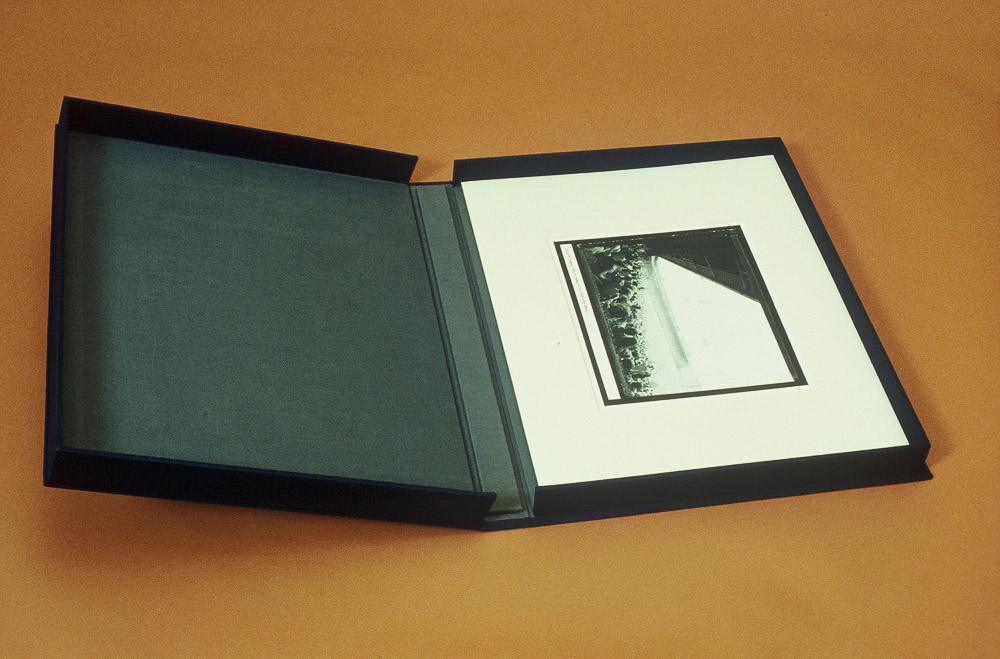
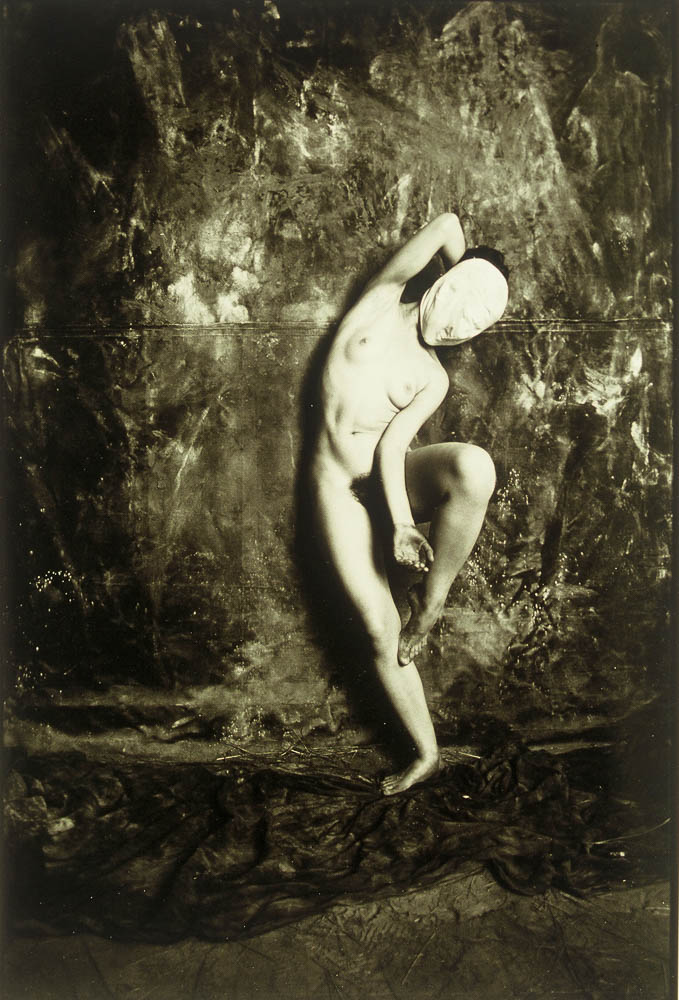
Jeffrey Silverthorne - The Dance of Eurydice, 1982
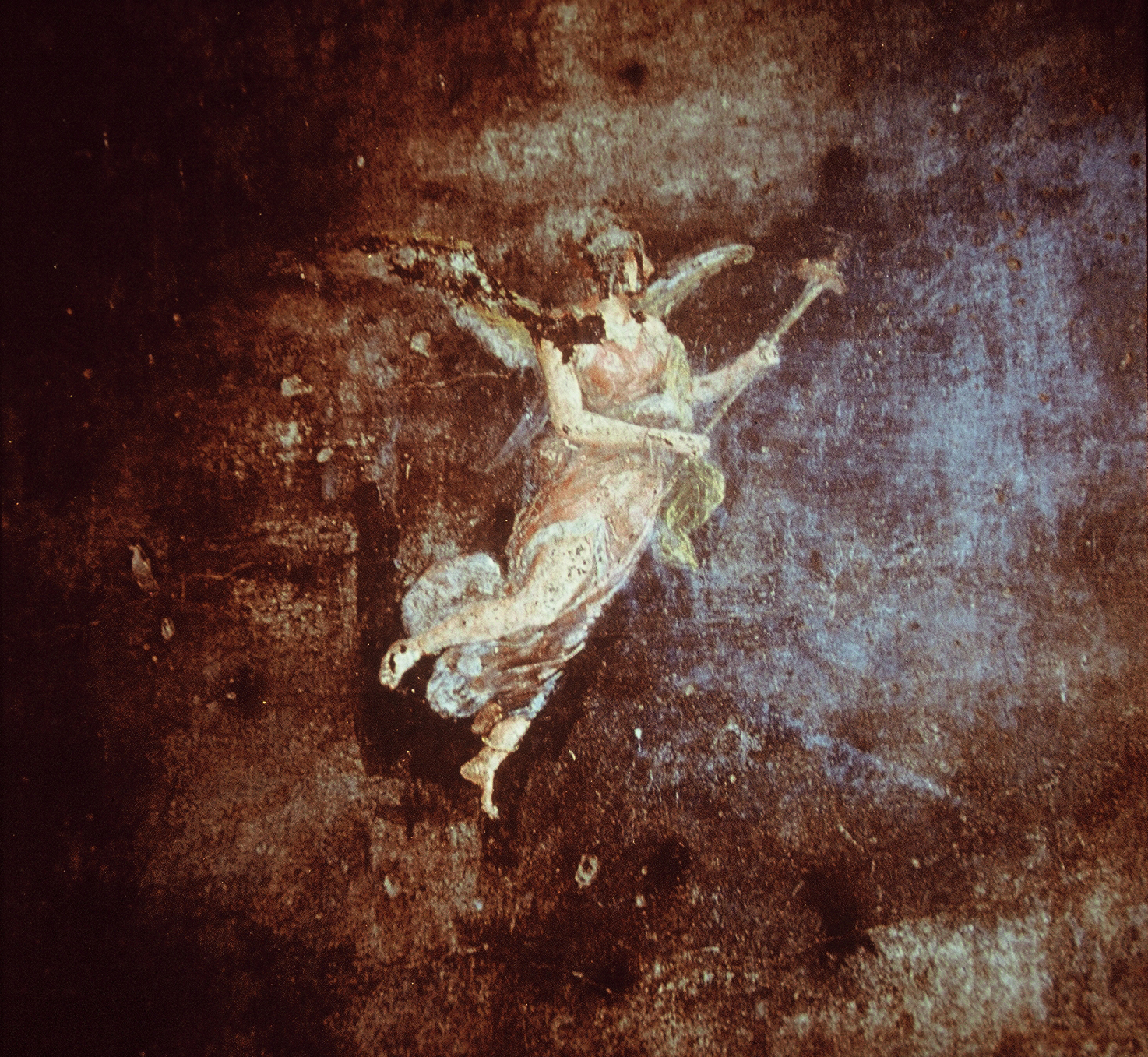
Stephen Brigidi Angel Study #3 - (The Keeper), Pompell, Italy, 1978
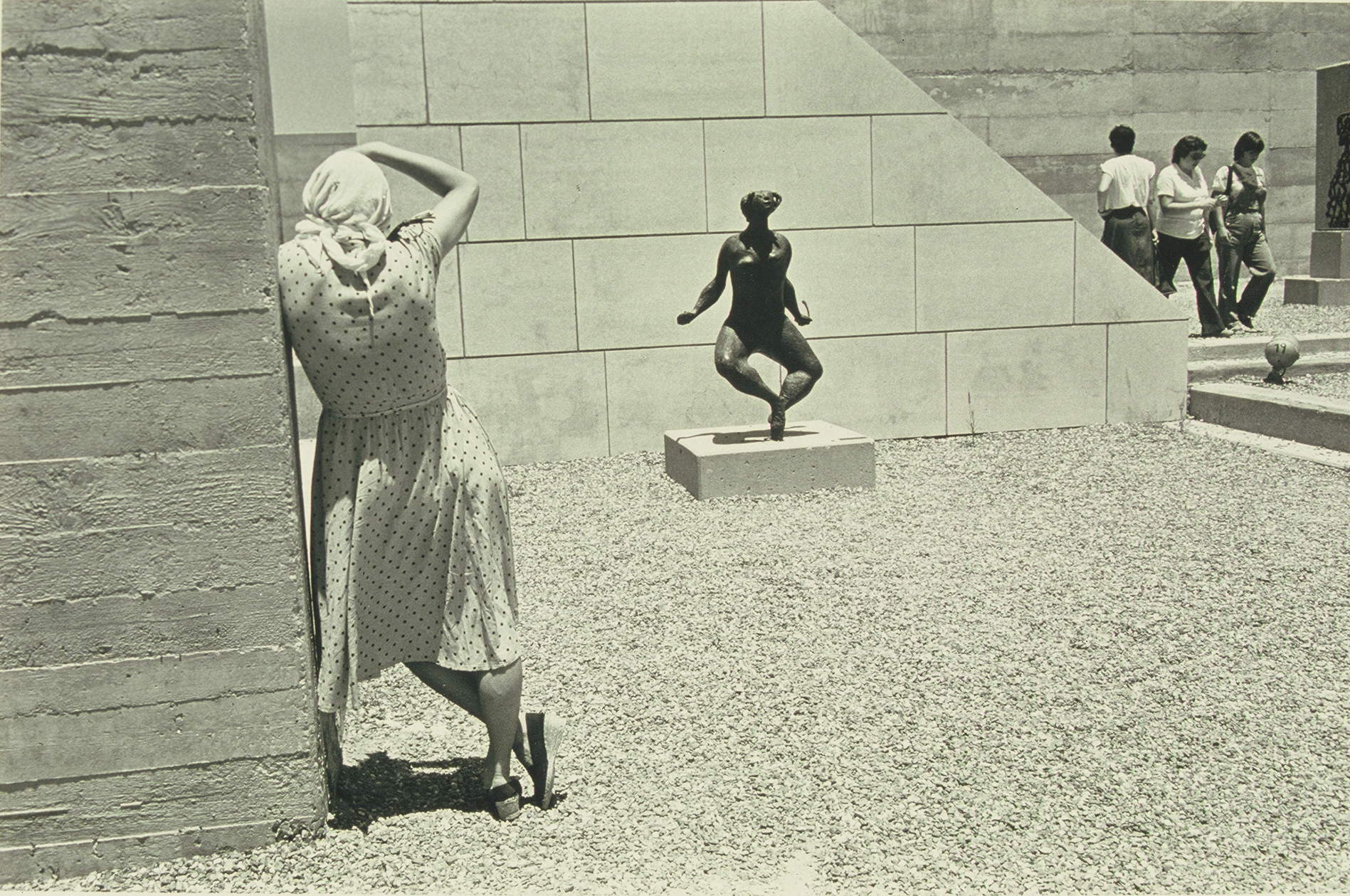
Susan Hacker - Israel Museum, Sculpture Garden, Jerusalem, Israel, 1979
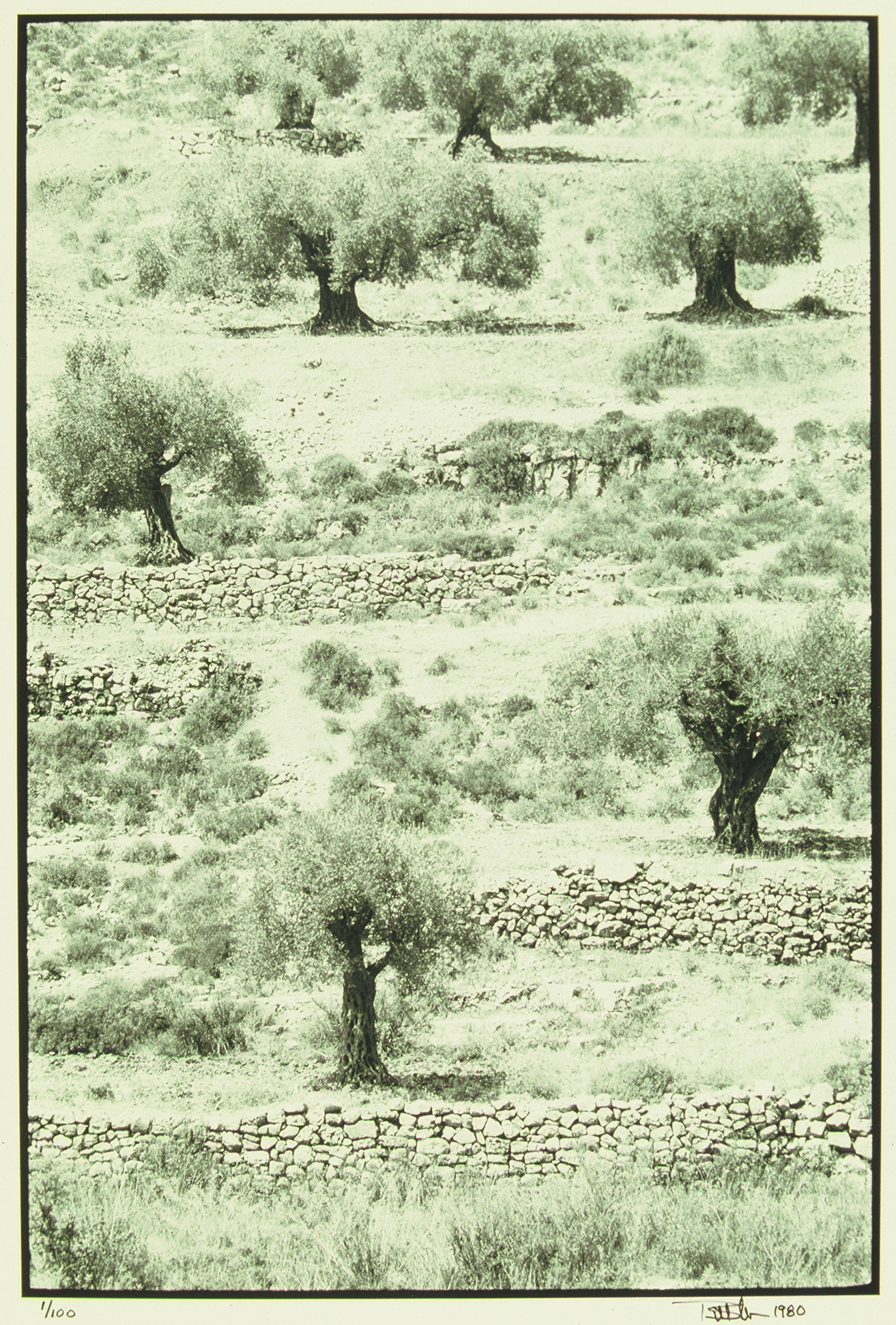
Bill Aron - Olive Trees, Jerusalem, Israel, 1980
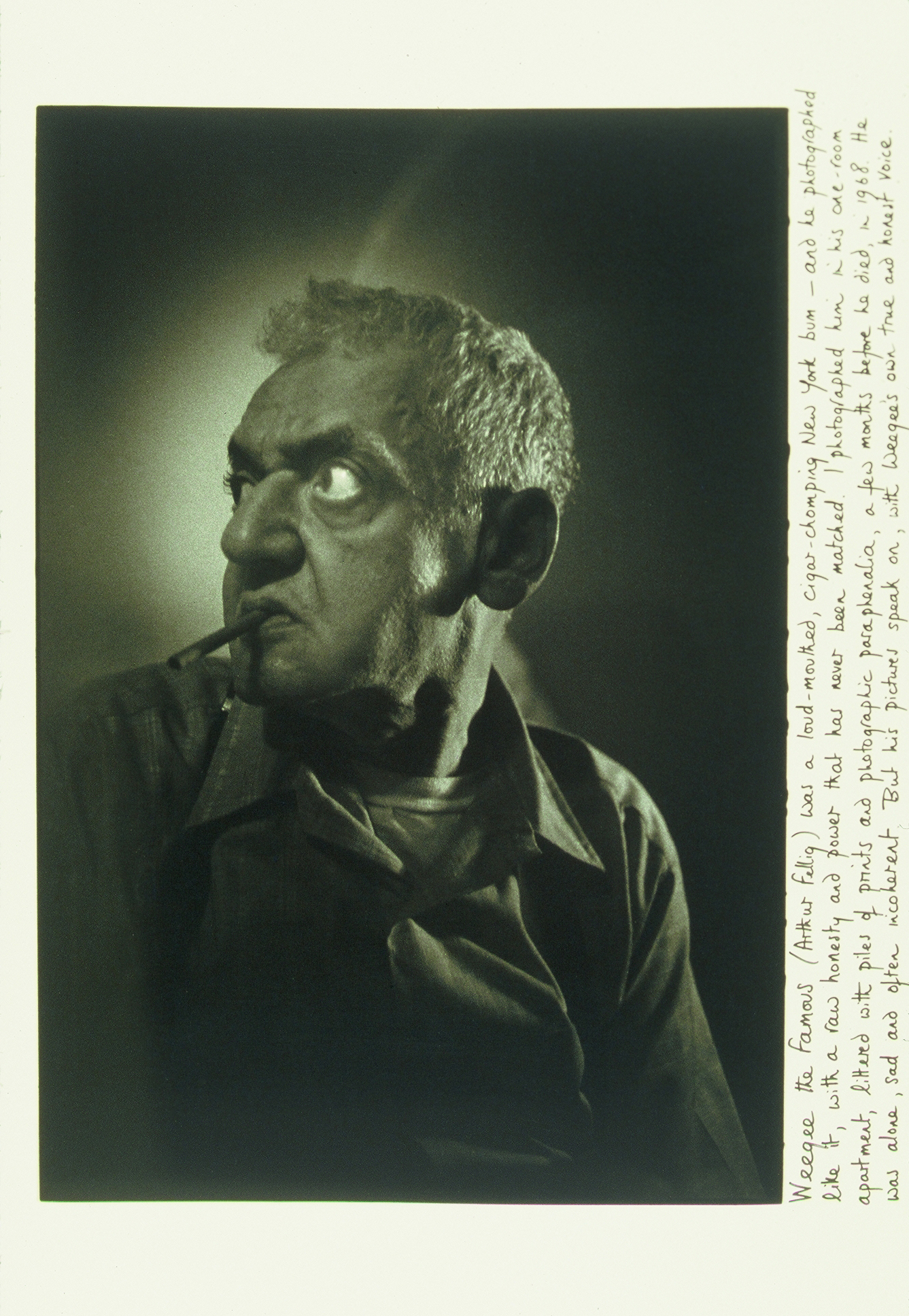
Bill Jay - Weegee the Famous, (Arthur Felling), New York, 1968
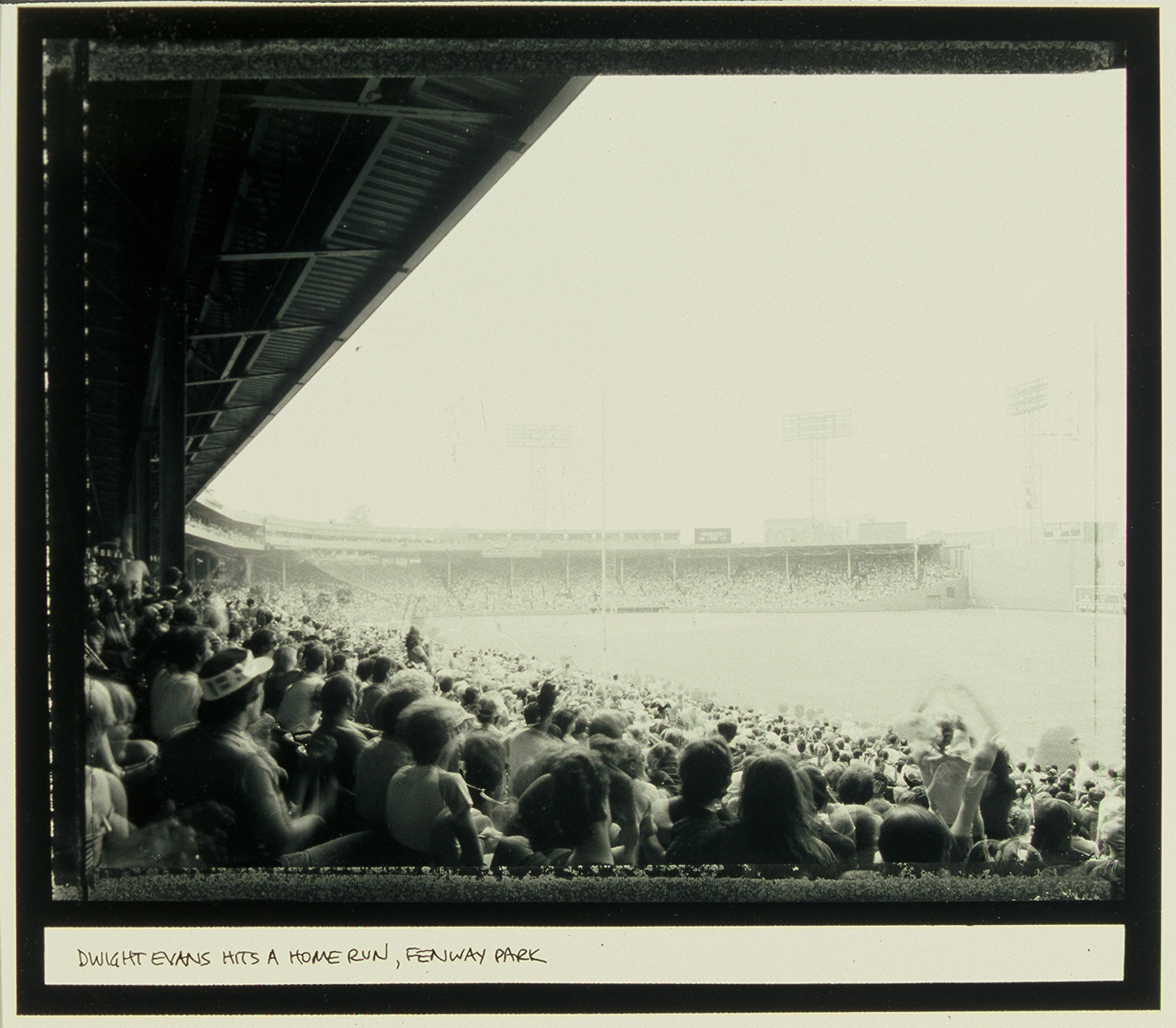
Jim Stone - Dwight Evans Hits a Home Run, Fenway Park, 1982
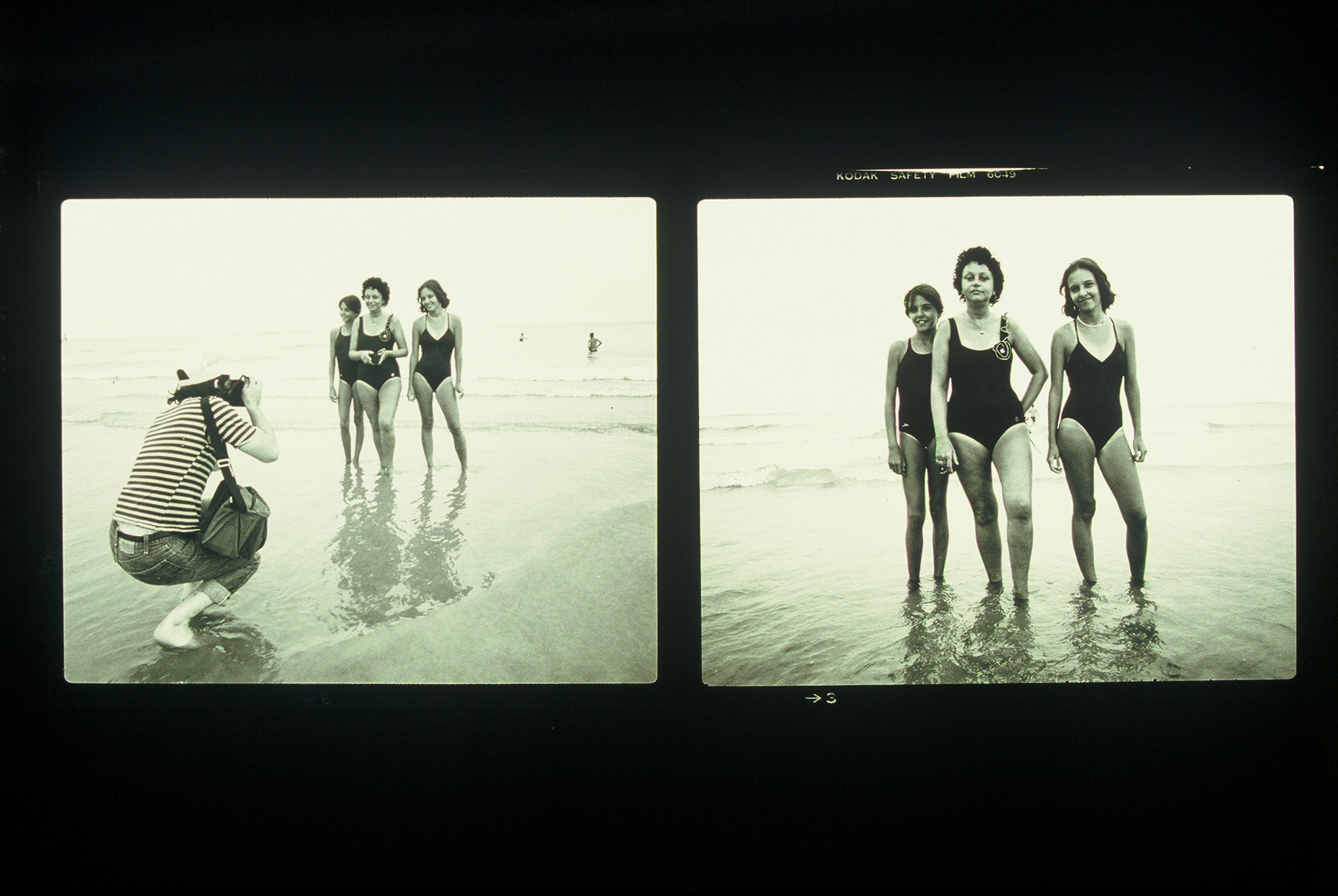
Dick Lebowitz and Tom Young from, "Two Man Show." 1982
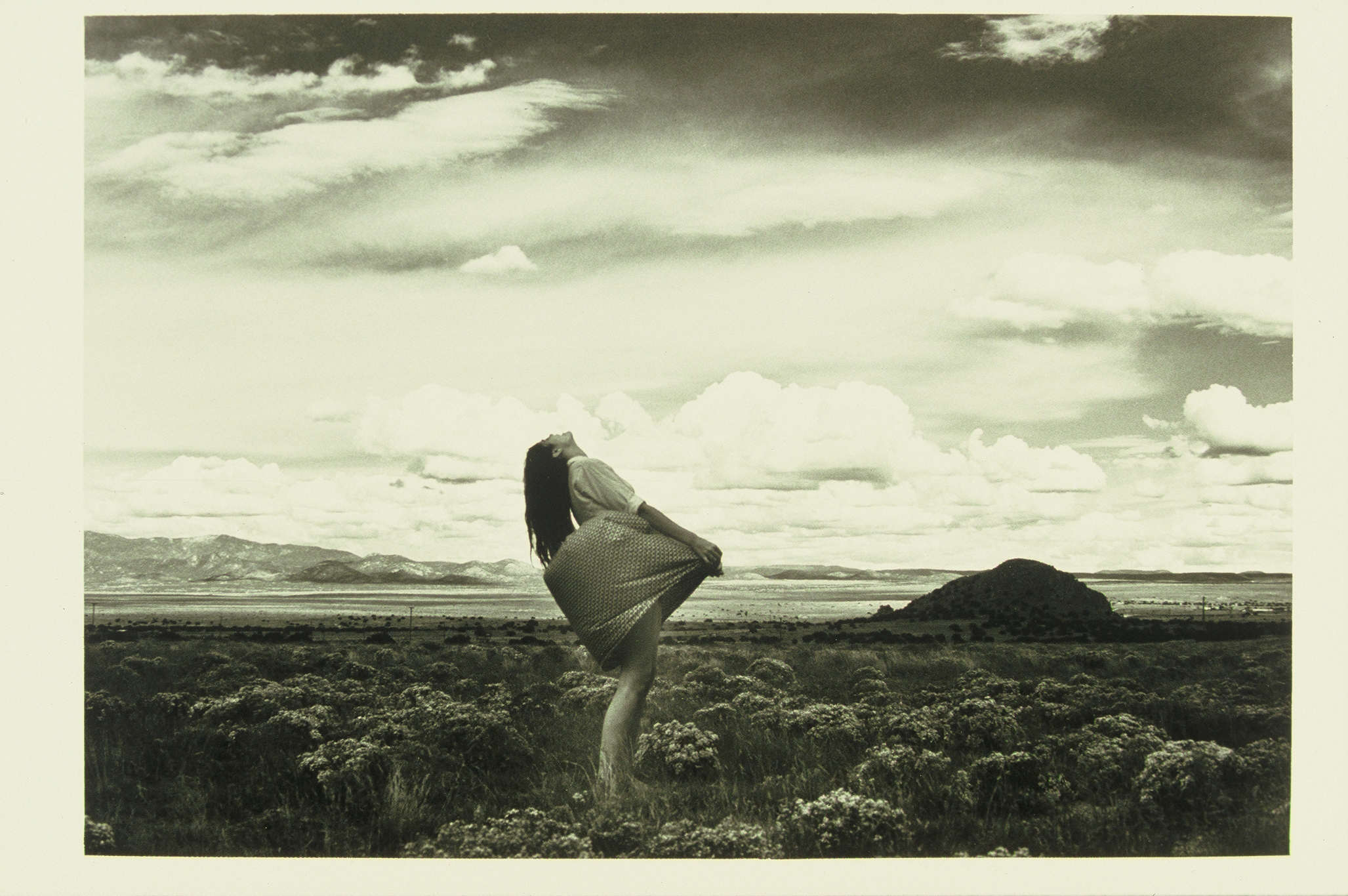
Salvatore Mancini - Untitled, New Mexico, 1973
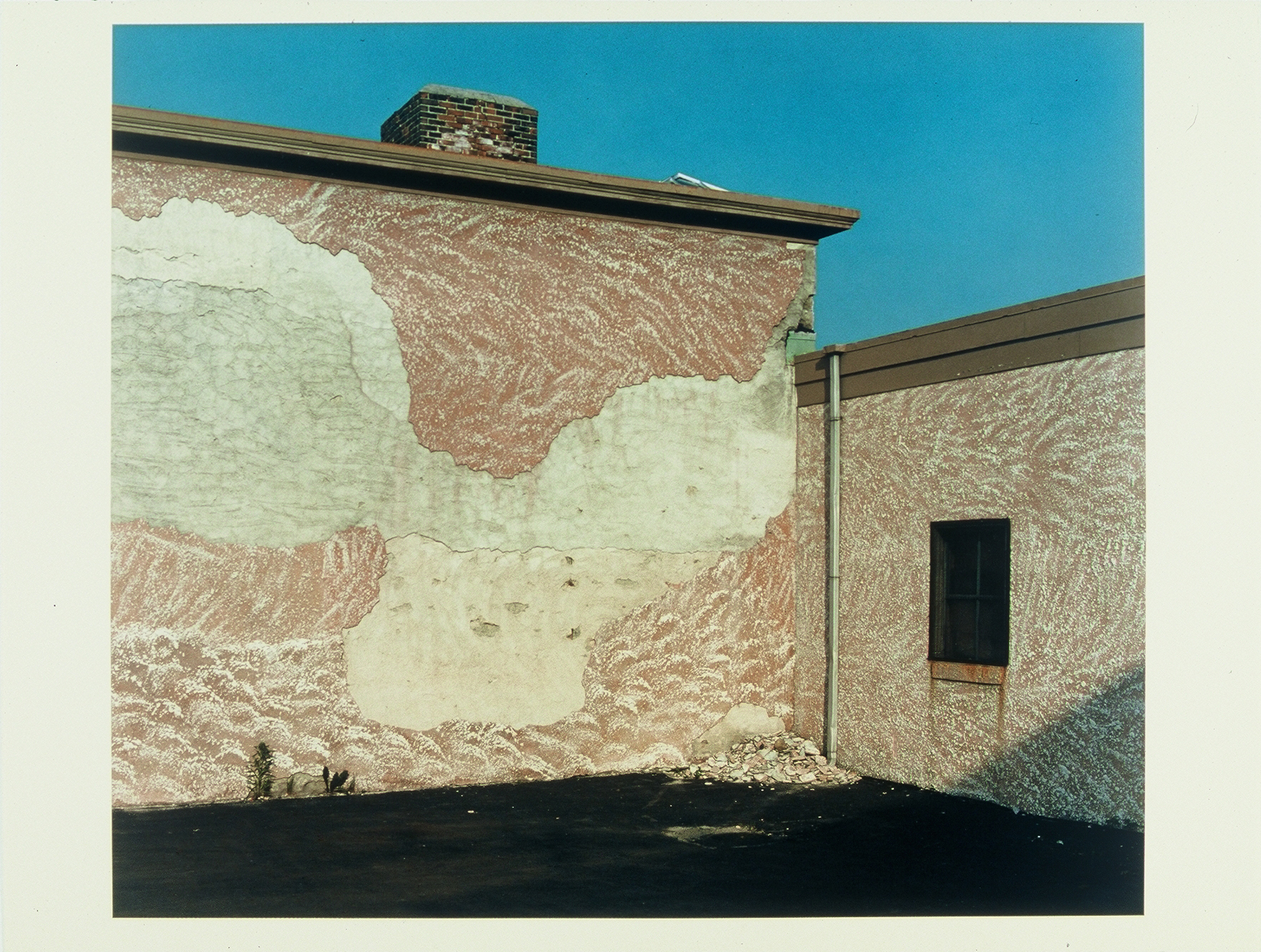
Barnaby Evans - Roosevelt Avenue, Pawtucket, Rhode Island, 1980
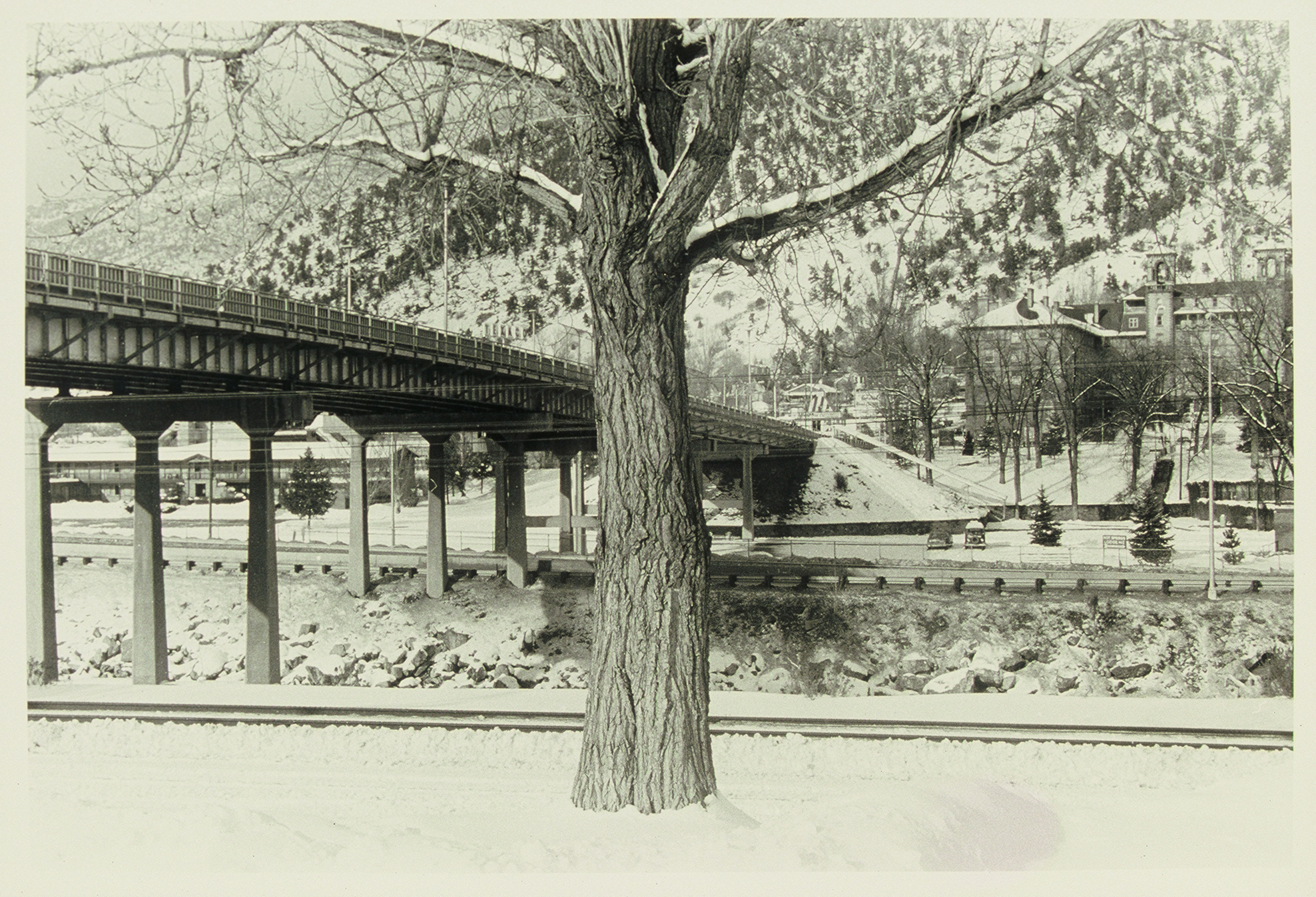
Gary Metz - from the series: "Quaking Aspen, (populus tremuloides)" 1970-83
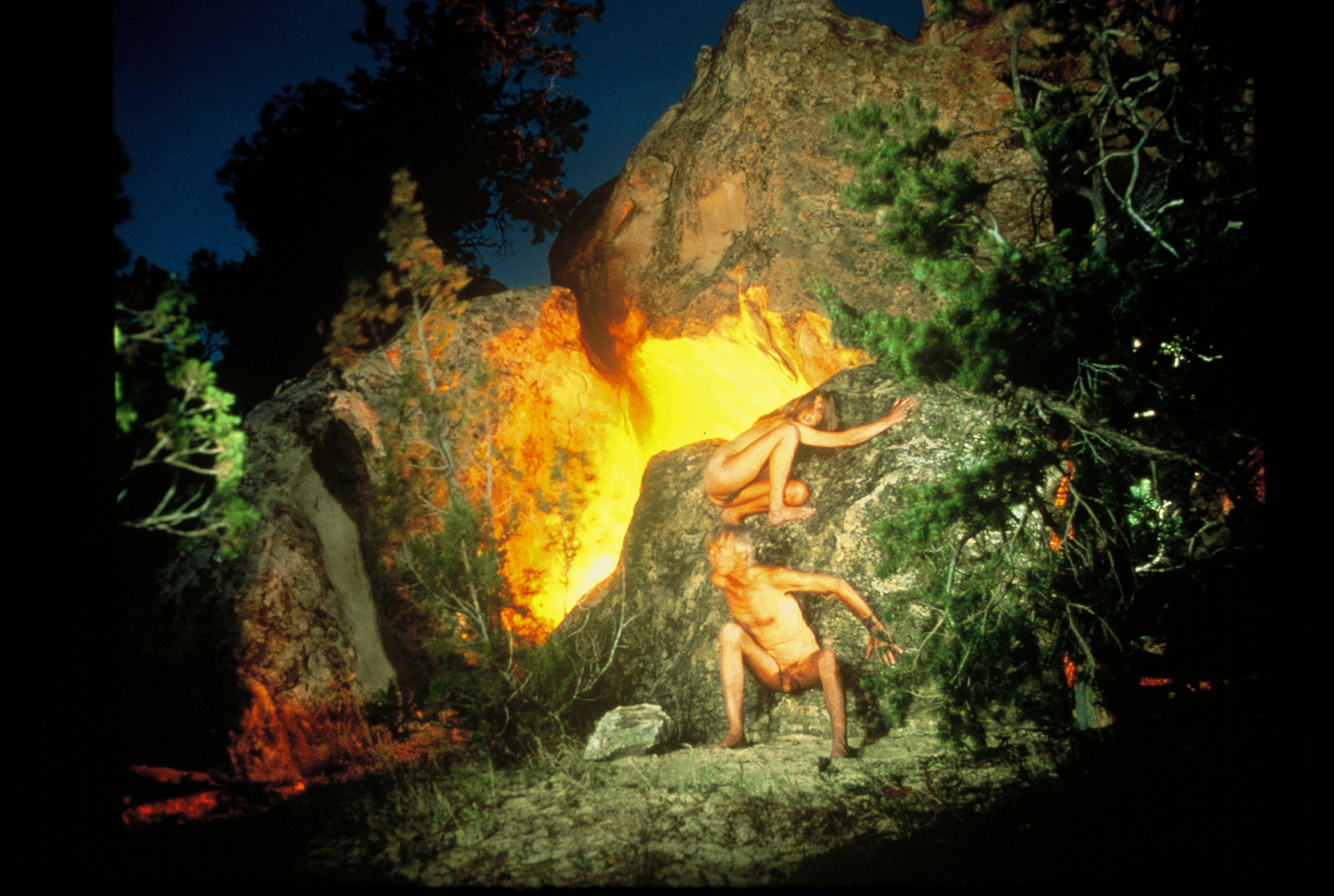
Siegfried Halus - from The Flashlight Series, Grants, New Mexico, 1982
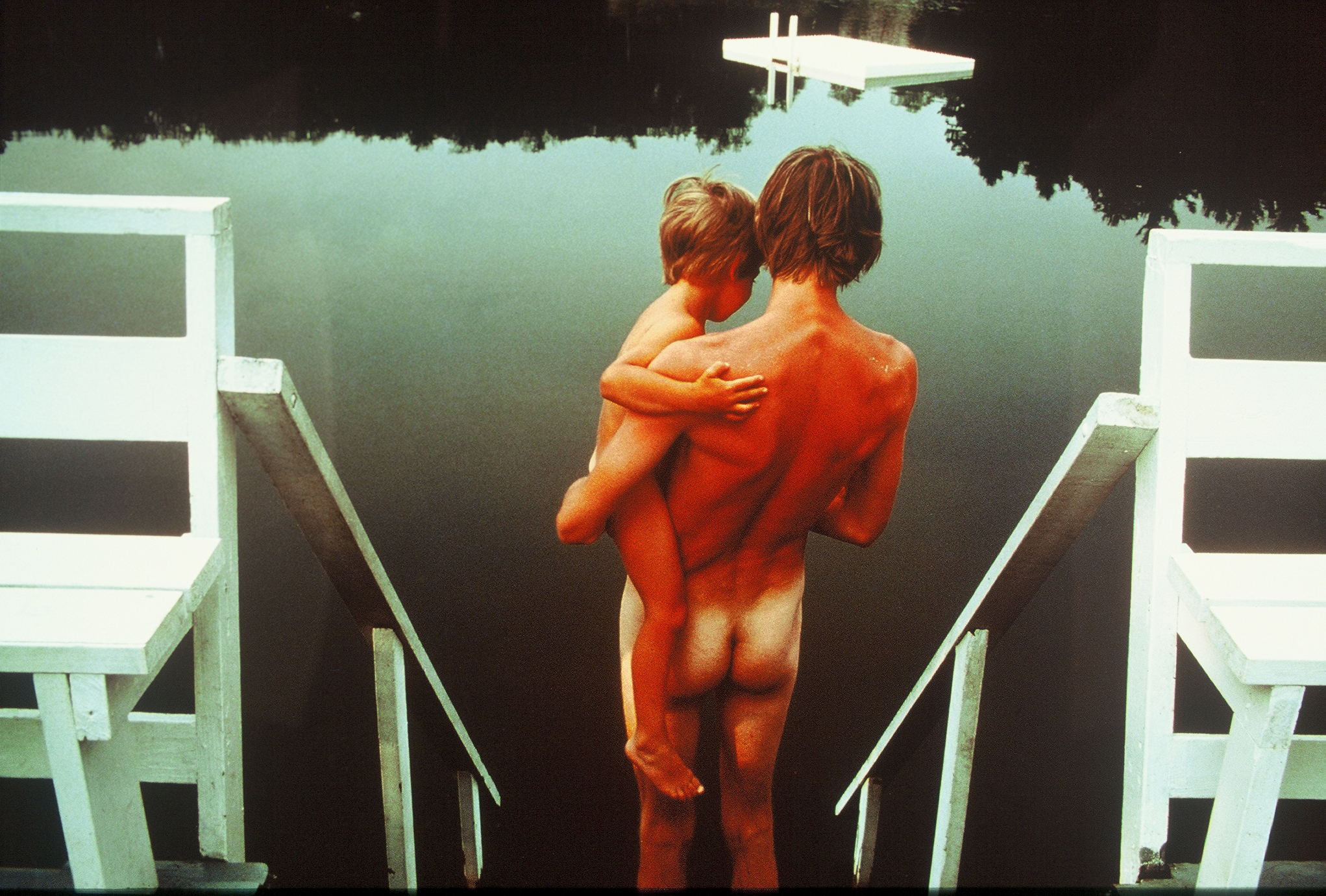
Arno Minkkinen - Self-portrait with Daniel Ainola, Connecticut, 1982